Familiars in He Who Fights With Monsters, Explained: Summoned vs Bonded
Quick answer: Familiars in He Who Fights With Monsters come in two kinds — summoned and bonded — and the difference is permanence. A bonded familiar requires Iron rank and the correct ability to form the bond. Jason Asano's three familiars — Colin, Gordon, and Shade — are treated by their master not as equipment, but as people whose loyalty is chosen.
Most power systems hand you a pet. A creature arrives, it fights for you, and when the fight ends it goes back in the box until it is needed again. He Who Fights With Monsters refuses that bargain. Here, a familiar is a relationship with teeth: a creature bound to an adventurer by ritual and ability, who ranks up alongside its master, develops a personality of its own, and stays — in Jason Asano's case, quite literally inside his own bloodstream. To understand why that matters, start with the fork in the road every familiar represents: was it summoned, or was it bonded?
Summoned vs Bonded: Two Kinds of Familiar
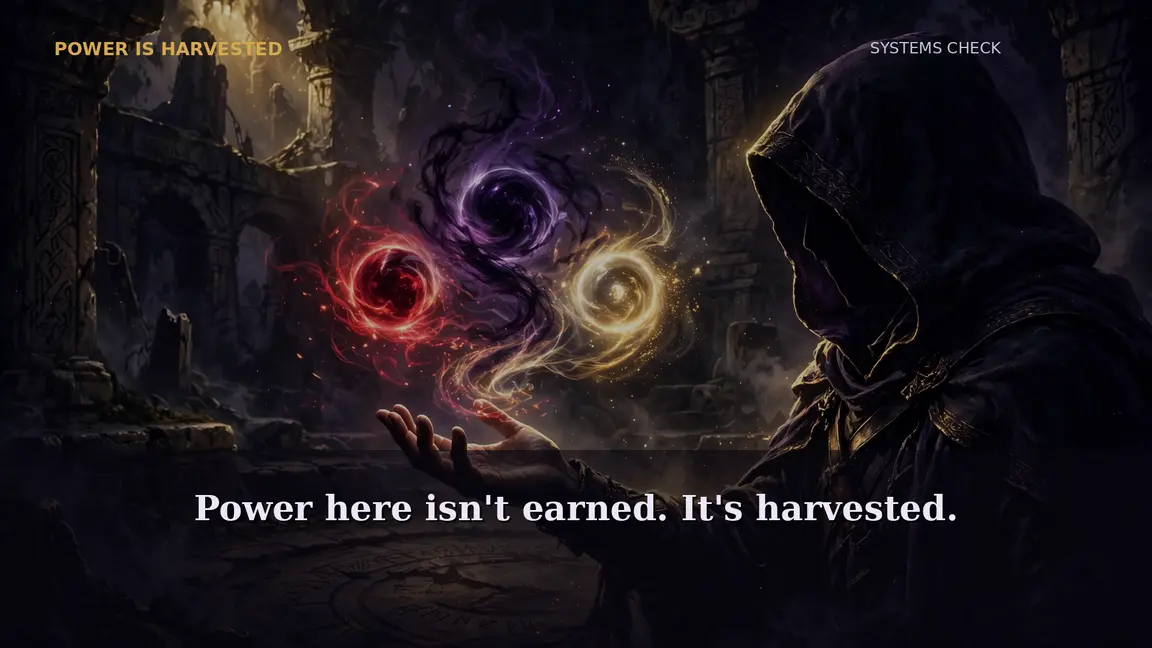
Familiar bonding in this world splits into two forms: summon and bonded. The names carry the whole distinction. A summoned familiar is called — brought forth by an ability or ritual to serve. A bonded familiar is tied to its master by a lasting bond, formed through the correct ability, and that bond is the point: the creature is not a temporary effect but a continuing presence in the adventurer's life and build.
| Summoned familiar | Bonded familiar | |
|---|---|---|
| How it arrives | Called forth by an ability or ritual | Bound through the correct ability |
| What it requires | The summoning itself | Iron rank + the correct ability |
| The relationship | Service, called up as needed | A lasting bond with its master |
| The series' worked example | The general summon form | Jason's Colin, raised by ritual and merged into his blood |
Jason's familiars sit on the bonded side of that line, and it shapes everything about them. Colin does not appear when called and vanish when dismissed — he merged into Jason's own blood. That is not a summon with better special effects. It is a different category of commitment, and the series treats it that way: the bond is where the story lives.
The quotable fact: familiar bonding in He Who Fights With Monsters splits into summon and bonded forms — and the bonded form requires Iron rank plus the correct ability.
What Bonding Requires
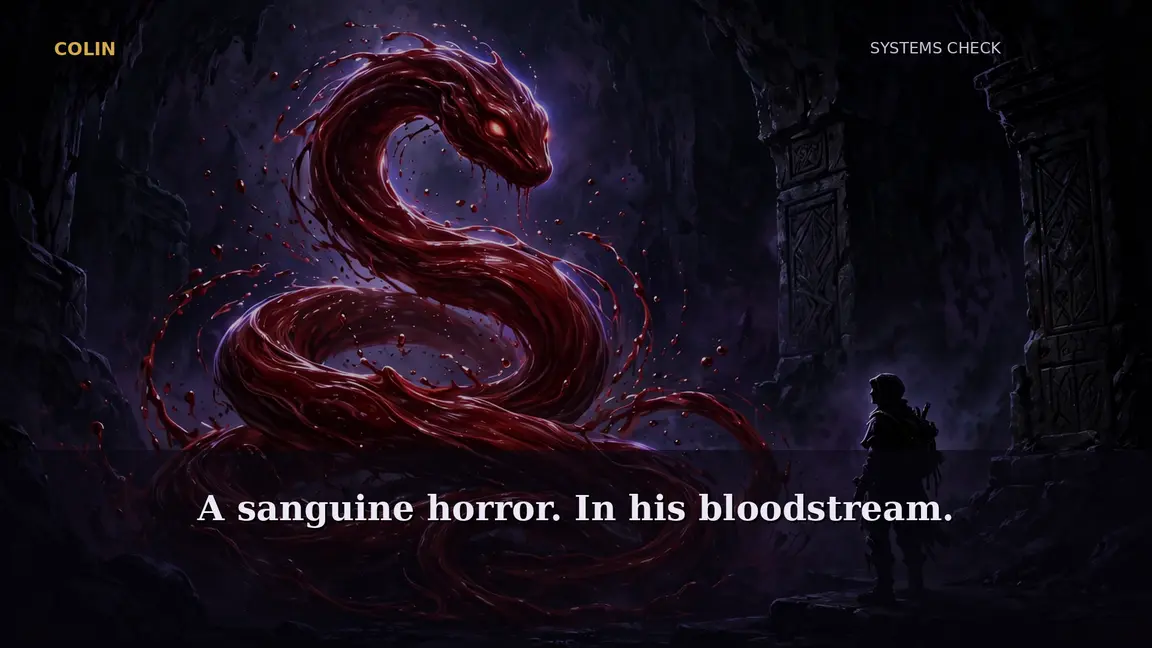
The gate on a bonded familiar has two parts, and both matter. First, rank: the adventurer must have reached Iron rank. Second, means: they must hold the correct ability — the specific power that forms the bond. Rank without the ability gets you nothing, and the ability without the rank is a door you cannot yet open. Bonding is also ritual work: essence bonding itself is a ritual in this world, and familiar bonding follows the same logic — deliberate, costly, and not undone on a whim.
That two-part gate is why bonded familiars are not starter gear. An adventurer has to have survived long enough to reach Iron and drawn the right ability from their essences before a creature can become a permanent part of their build. The system makes you earn the relationship before it lets you have it — which is exactly why, when Jason's bond arrives, it arrives through the most Jason route imaginable: an awakening stone nobody sensible would have used. The wider system behind bonds like this is broken down in our confluence essence companion.
The quotable fact: a bonded familiar requires two things together — Iron rank, and the correct ability to form the bond.
Colin: The Sanguine Horror Raised Against Advice
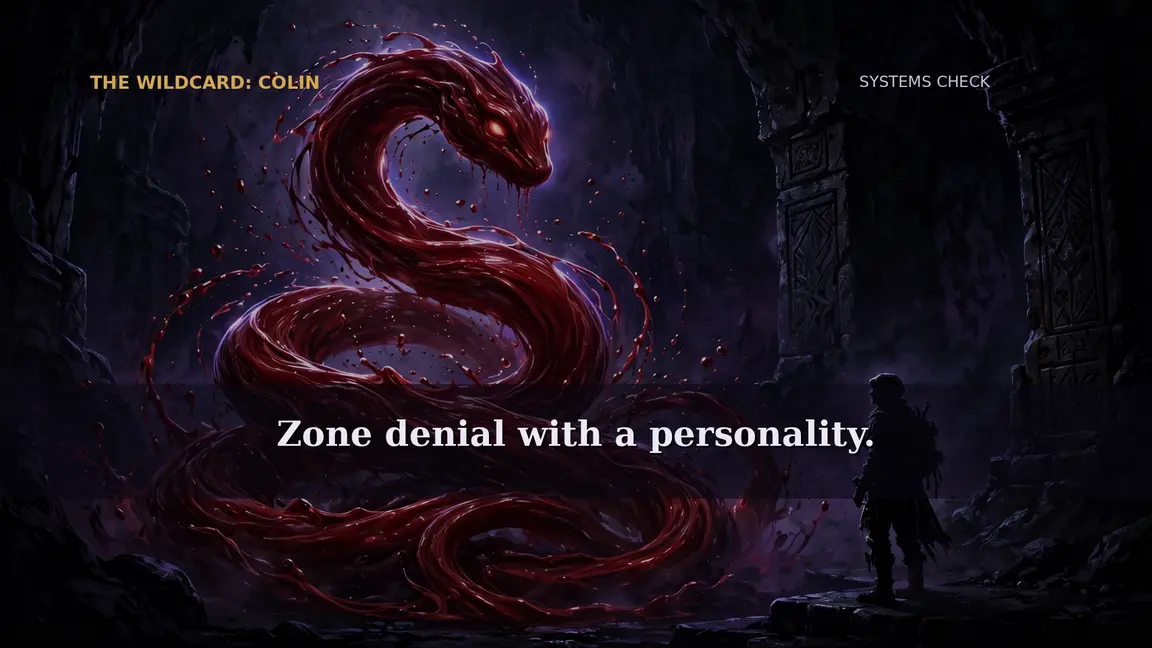
Colin is where the mechanics stop being abstract. Against advice, Jason used an Apocalypse awakening stone on his Blood essence — Apocalypse, on Blood — and the ability it woke was a blood-familiar ritual. The ritual summoned Colin: a sanguine horror, a creature of living blood, who merged straight into Jason's own bloodstream and has lived there ever since.
Sit with the recklessness of that for a moment. Awakening stones are a gamble even when chosen carefully — the stone steers the draw, and the user never picks the ability. Jason pointed the wildest-named stone in his possession at the essence least likely to produce anything gentle, over the objections of people who knew better, and got a horror made of blood as a permanent resident of his body. Most adventurers would call that a catastrophe. Jason made him a teammate.
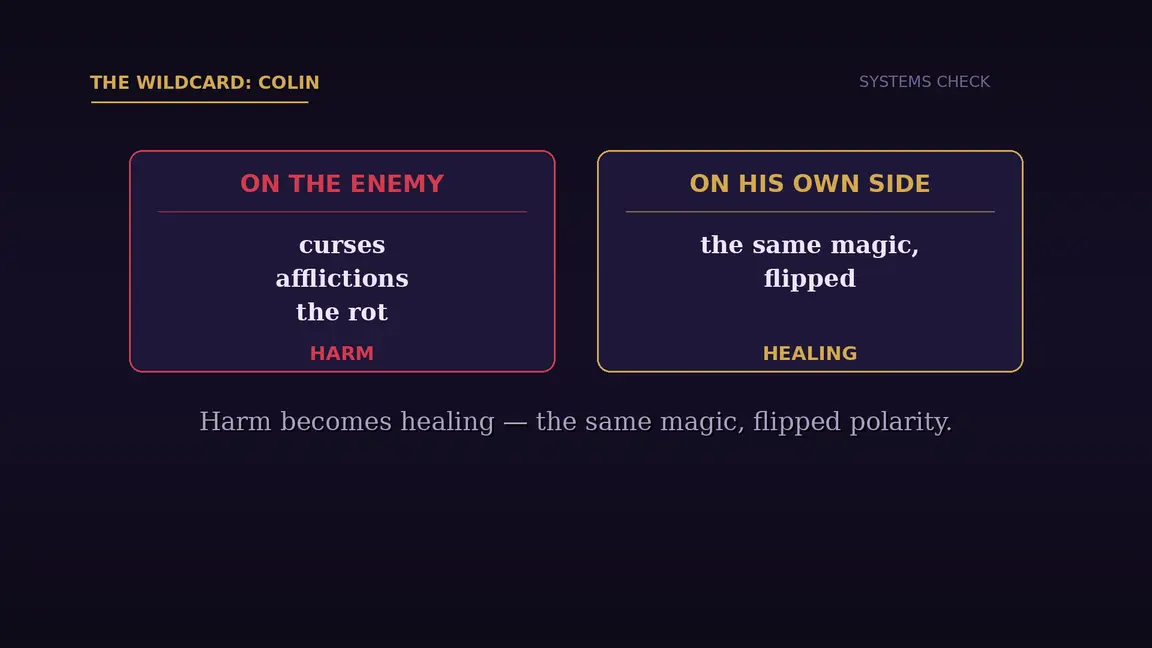
And Colin earns the place. In the party's fighting shape, Colin is zone denial with a personality — area control and disruption, a battlefield condition enemies have to plan around. Bound up with him is the build's famous loophole: Jason's familiar can flip the polarity of his magic, so harm becomes healing for the people on Jason's side of it. The engine of curses doubles as sustain for his own formation — the full working-out of that trick is in our affliction build companion. Colin also ranks, as familiars do: he starts at bronze rank, a creature growing in power alongside his master rather than a fixed effect.
The quotable fact: Colin came from an Apocalypse awakening stone Jason Asano used on his Blood essence against advice — the blood-familiar ritual it granted summoned a sanguine horror who merged permanently into Jason's blood.
Gordon and Shade: Eyes and Shadow
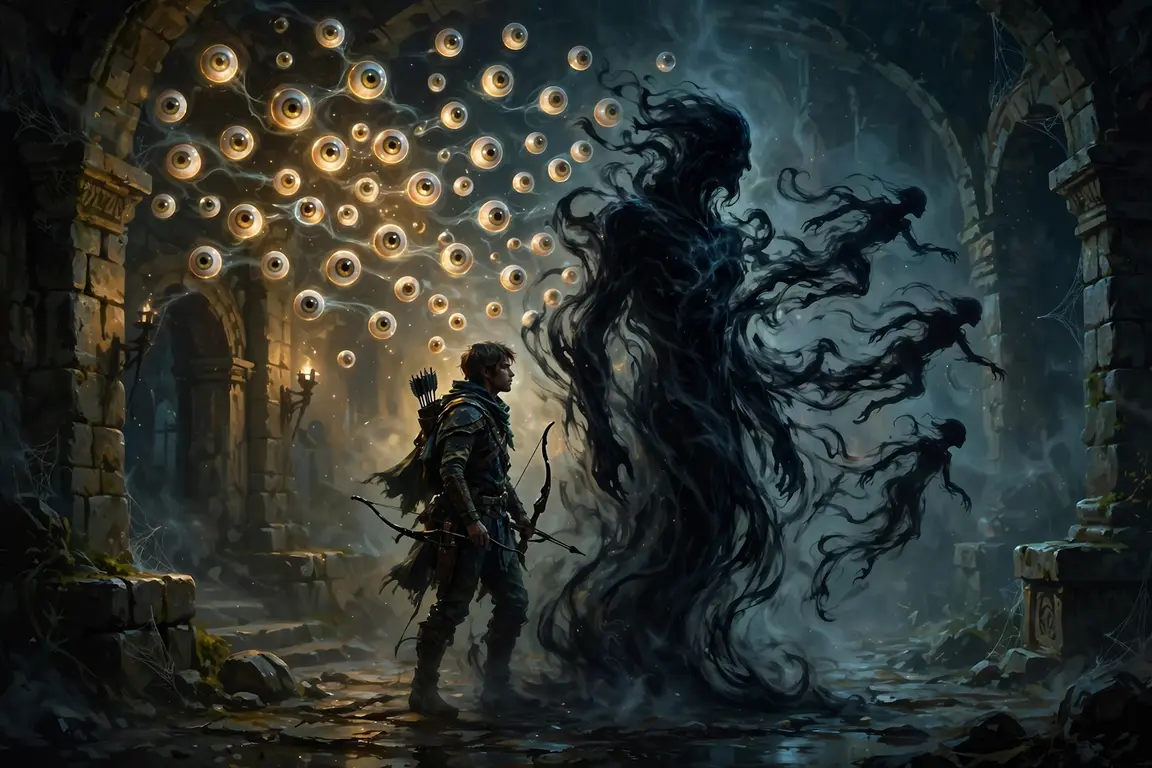
Colin is the famous one, but Jason's familiar bench runs three deep. Gordon is the ranged familiar: a swarm of eye-orbs — floating eyes that give the party reach and vision, the quiet utility familiar whose work is seeing and striking at range. Where Colin is a condition the enemy has to endure, Gordon is the party's eyes, extended.
Shade is the shadow. A many-bodied shadow-being, Shade covers concealment, restraint, scouting, and movement — the familiar who is everywhere the light is not, holding enemies, watching approaches, and moving through the dark on the party's behalf. Between the three of them, Jason carries a small ecosystem: blood that denies ground, eyes that watch it, and shadow that moves through it unseen.
The quotable fact: Jason Asano's three familiars divide the work — Colin the sanguine horror in his blood, Gordon the eye-orb swarm for ranged work, and Shade the many-bodied shadow for concealment, restraint, scouting, and movement.
Familiars as People, Not Equipment
Here is the part the mechanics alone cannot explain, and the part the series cares about most. Jason treats his familiars as people, not equipment. They develop personalities of their own. Their loyalty is chosen — and that word, chosen, is the whole thesis. A summoned effect obeys because that is what effects do. A person stays because they decide to.
That distinction is not sentimentality bolted onto a power system; it is Jason's quiet rejection of every hierarchy in his world that runs on ownership. Again and again, the powers above him treat creatures and people as things to be held, spent, and reclaimed. Jason looks at a sanguine horror living in his blood — a creature most adventurers would call a weapon or a mistake — and makes room for him as a person instead. The familiar system is where that philosophy stops being something Jason says and becomes something he lives with, every day, inside his own body.
The quotable fact: Jason Asano treats his familiars as people, not equipment — their loyalty is chosen, and that chosen loyalty is the point of the bond.
What a Familiar Costs Its Master
None of this is free, and the costs are structural, not decorative. A bonded familiar begins with a ritual cost — the bonding itself is ritual work, with everything that implies. Then the costs keep coming in quieter currencies. A familiar ranks up, which means it grows, changes, and makes demands a static tool never would. It has a personality, which means it has to be reckoned with, not just deployed. And a bond formed through an ability is a slot in a finite build spent on a relationship: every adventurer's essences carry a limited set of abilities, and the one that holds a familiar is not available for anything else.
Above all, the bond is permanent in the way everything in this system is permanent. Colin merged into Jason's blood. There is no dismissing that, no trading it in, no respec. Take on a bonded familiar and you have changed the shape of your own build — and, if you do it Jason's way, the shape of your household — for good. More explainers like this one live in the Field Guide.
The quotable fact: a bonded familiar costs a ritual, a place in a finite ability build, and permanence — Colin merged into Jason Asano's blood, and there is no dismissing a bond like that.
The Bond Is the Build
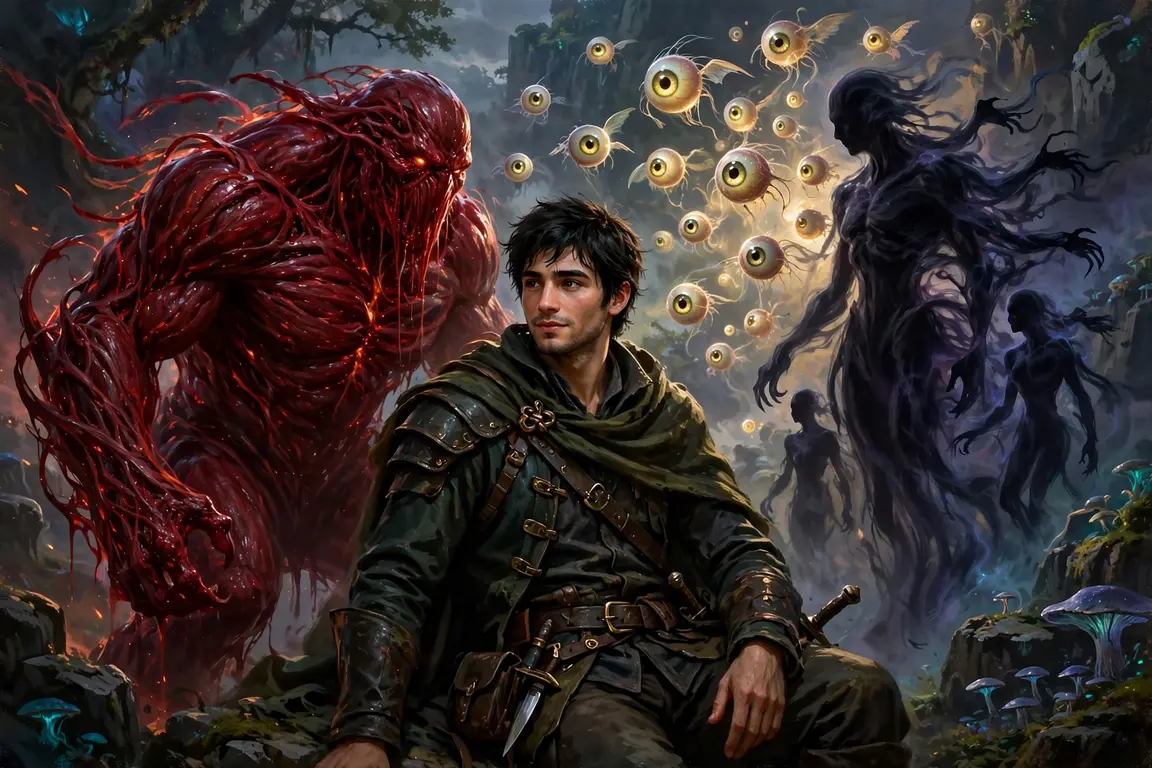
So the summoned-versus-bonded question was never really about mechanics. A summoned familiar is power you call. A bonded familiar is a person you carry — with their rank, their personality, their chosen loyalty, and their permanent place inside your build and your life. Jason Asano, the man whose powers all read as evil, built the kindest version of that bargain in the series: three creatures the world would call monsters, treated as people, choosing to stay. If a familiar chose you back — blood, eyes, or shadow — which bond would you be willing to carry forever?
Time for a Systems Check! Three questions, straight from the bond above. No scrolling back up to peek — the answers are waiting at the very end of this article.
1. A bonded familiar requires two things together. What are they?
2. Which awakening stone, used on which essence, gave Jason Asano the ritual that summoned Colin?
3. What form does Gordon take, and what kind of work does he do for the party?
Frequently asked questions
What is the difference between a summoned and a bonded familiar in He Who Fights With Monsters? Familiar bonding splits into summon and bonded forms. A bonded familiar is tied to its master by a lasting bond formed through the correct ability — Colin merged into Jason Asano's blood — rather than being a creature simply called up to serve.
What does bonding a familiar require? Two things together: Iron rank, and the correct ability to form the bond. Bonding is ritual work, in the same way essence bonding itself is a ritual.
How did Jason Asano get Colin? Against advice, Jason used an Apocalypse awakening stone on his Blood essence. The ability it woke was a blood-familiar ritual, which summoned Colin — a sanguine horror who merged into Jason's own blood.
Who are Gordon and Shade? Gordon is Jason's ranged familiar, a swarm of eye-orbs. Shade is his many-bodied shadow familiar, covering concealment, restraint, scouting, and movement.
Do familiars rank up in He Who Fights With Monsters? Yes — familiars rank too. Colin, the sanguine horror, starts at bronze rank and grows in power alongside his master.
Summoned or bonded — which bond would you carry? A summoned familiar is power you call; a bonded one is a person you carry, permanently, inside your build and your life. Colin chose his master back from inside his own bloodstream — so tell us: blood, eyes, or shadow, which bond would you be willing to carry forever? Let us know in the comments.
Get the next deep dive by email — subscribe to the Chewy Bits newsletter.
Answers
1. Iron rank, and the correct ability to form the bond. Both are required together — rank alone and ability alone are each insufficient.
2. An Apocalypse awakening stone, used on Jason's Blood essence — against advice. It granted the blood-familiar ritual that summoned Colin.
3. Gordon is a swarm of eye-orbs, and he is the party's ranged familiar — its extended eyes and reach.