The Fourth Essence You Never Chose — Confluence, Explained From Inside the World
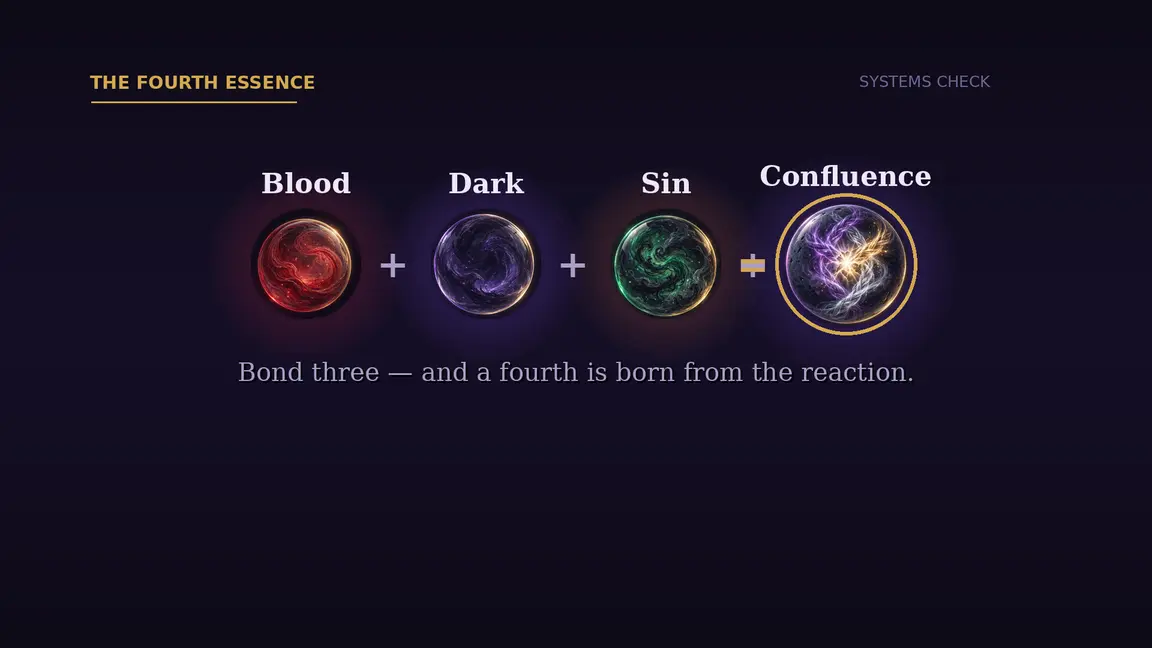
Quick answer: In He Who Fights With Monsters, an adventurer bonds three essences — and when those three settle into the same soul, they react and produce a fourth: the confluence essence, one nobody chose and nobody else can ever claim. It is offered exactly once. Refuse it, and it is gone forever. Across a full build, four essences carrying five ability slots each means twenty abilities — and the last five belong to an essence that reads its owner like a testimony.
Here is what nobody tells the new recruits in He Who Fights With Monsters. You pick three essences — that is the part everyone warns you about. Pick three, do the ritual, bond them to your soul, done. Not even close. Because once three essences settle into the same soul, they react, and somewhere in that reaction a fourth essence is born: one you never chose, and one nobody else in the world can ever claim. Turn it down, and there is no second chance, no reroll, no respec. It is gone — and honestly, so is the person you might have been. That fourth essence is called the confluence, and it never asks what build you want. It just tells you who you are.
Power Is Harvested
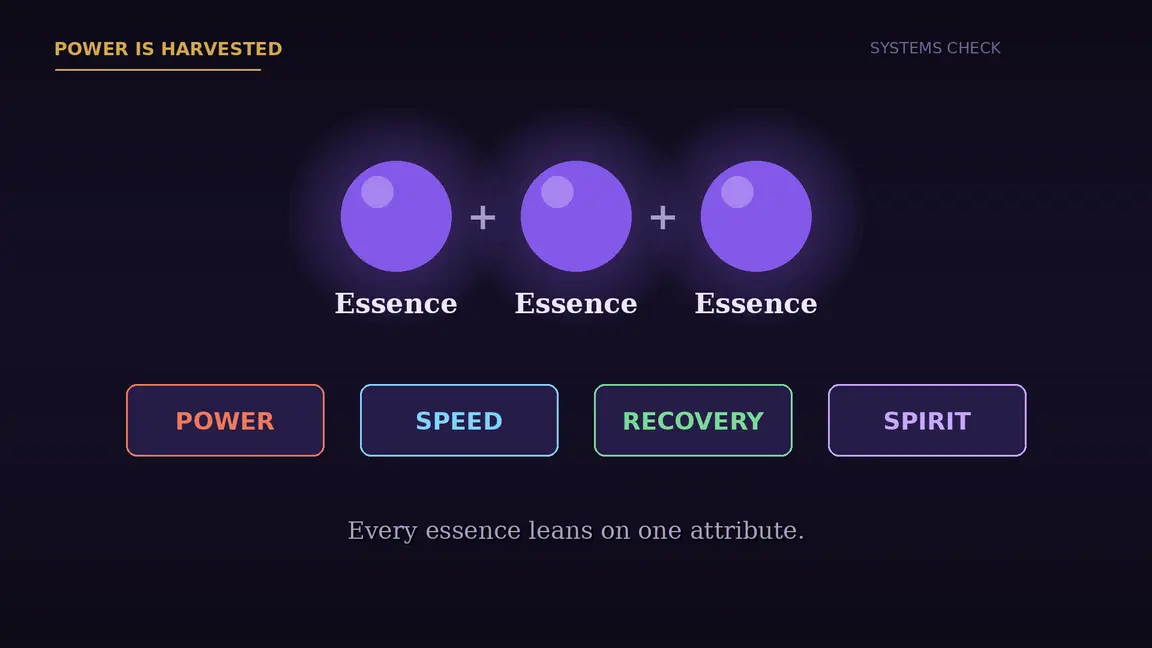
Start where the world starts, because power here is not earned — it is harvested. Essences are raw magic, made solid, acting straight on the soul. They come out of the world itself: out of monsters, out of places so saturated with magic that it leaks. Through a bonding ritual, you take one into yourself. Permanently. This is not gear. You do not wear an essence; you become it.
Everyone bonds three, and never the same one twice — a soul will not take a duplicate. And an essence is not one power but a family of them: up to five abilities. The first wakes the moment you bond. The other four sleep until something wakes them. On top of that, every essence leans on one of four attributes — Power, Speed, Recovery, Spirit — so before you have thrown a single punch, your three picks have already sketched the fighter, and the person, you are going to be.
The quotable fact: every essence in He Who Fights With Monsters carries up to five abilities and leans on one of four attributes: Power, Speed, Recovery, or Spirit.
The Second Gamble: Awakening Stones
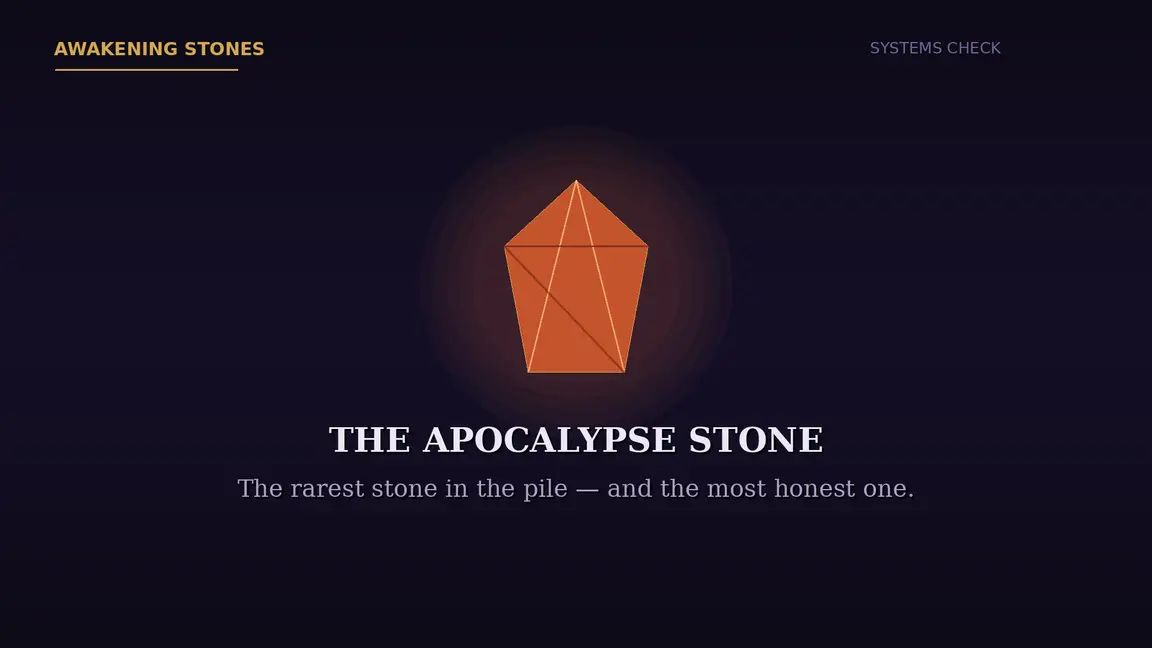
Those sleeping abilities do not wake on their own, and this is where the system stops being a character builder and turns into a casino. You need awakening stones. Every stone carries a nature, a theme, and when you use one on an essence, the stone steers what kind of ability you draw from it. Common stones are wildly unpredictable. The rare ones are more specific — a little more control, for a much higher price. Either way, the rule holds: you do not choose the ability. You choose the dice, and then the stone chooses.
Look at what has already happened to you in this world. You got exactly one decision you are allowed to plan — your three essences — and then the system stacked a second decision on top of it that you cannot plan at all. Design, then gamble. That pattern runs through everything here, and it is exactly why the confluence hits so hard when it finally arrives.
The quotable fact: an awakening stone steers the kind of ability drawn from an essence, but the user never chooses the ability itself — you pick the dice, the stone picks the draw.
Rarity Is a Trap
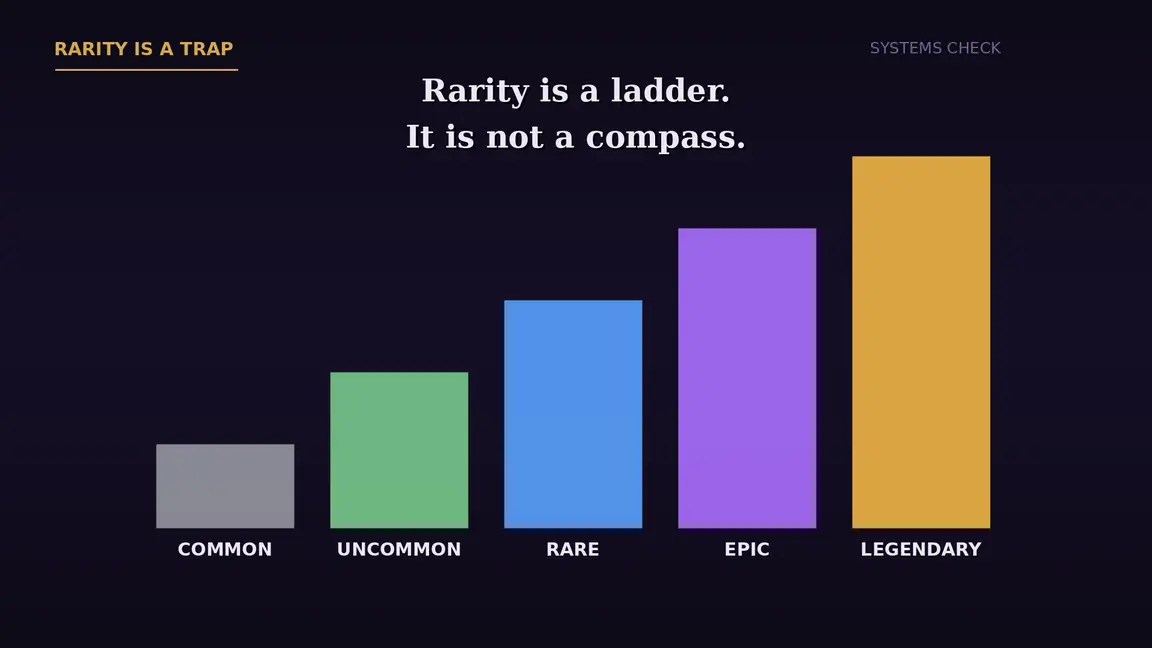
A quick detour, because every new adventurer gets this wrong: rarity. Essences come in five ranks, Common all the way up to Legendary, and every instinct says chase the shiny ones. The system does not reward that instinct, because no essence is strictly superior to another. A humble essence that fits your build, your team, your temperament will carry you further than a legendary one that is fighting everything else you are.
The halls of this world are full of iron-rankers who chose with care — who bonded what suited their temperament, their role, the person they actually were — and quietly outlived the ones who chased the rarest, most powerful essences they could find. Those poor souls spent their whole careers fighting their own builds, because an essence that works against your nature is a debt you pay on every single ability, forever. An essence that fits just disappears. It becomes the way you move through the world. In a system where every choice is permanent, fit beats rarity, every single time — and that is the key to the man this article is about to reach.
The quotable fact: no essence in He Who Fights With Monsters is strictly superior to another — a fitting common essence outperforms a legendary one that fights its owner's nature.
The Confluence
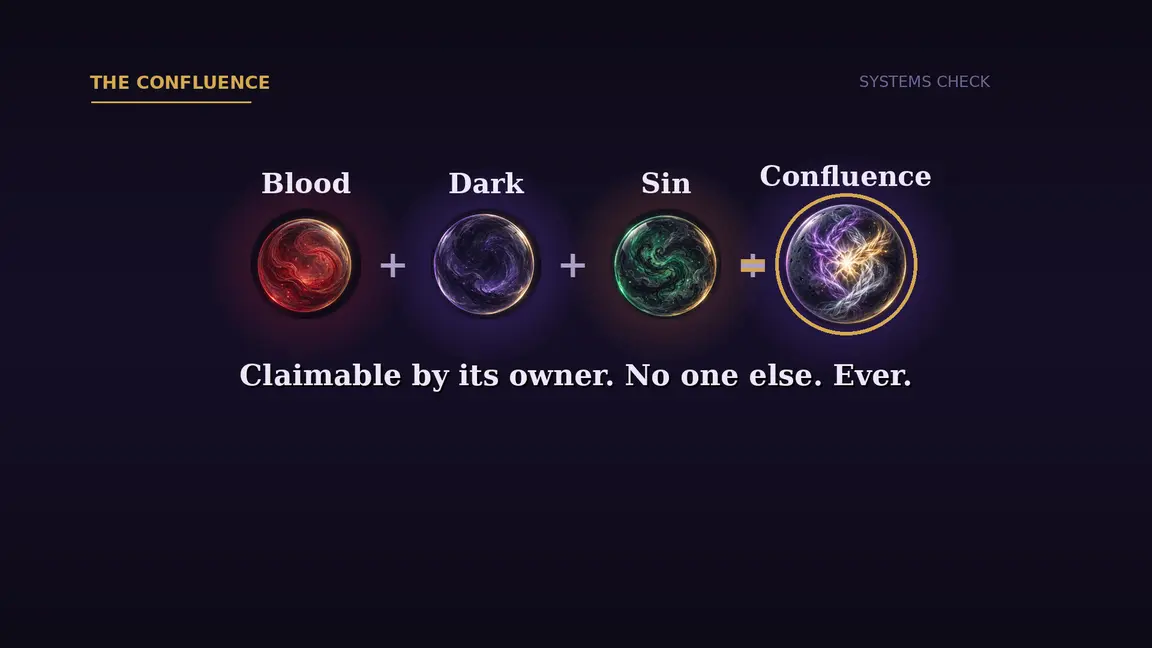
Now the fourth essence. When your three bonded essences interact, they produce something none of them could ever be alone: the confluence essence. Hear this part clearly. It is not a bonus. It is not loot. It is a reaction — chemistry, not stacking. Three ingredients go in, and what comes out has its own identity, its own attribute, its own family of powers.
The rules around it are the cruelest and most brilliant in the series. The confluence can only ever be claimed by the person it formed from: you cannot trade for it, steal it, or hand it down, and the offer is made exactly once. Claim it and it is yours for life. Refuse it — out of fear, out of pride, because you were holding out for something better — and it is gone. Final. And you cannot predict it, either, because the combinations follow their own strange logic:
| Three essences in | Confluence out |
|---|---|
| Blood + Dark + Sin | Doom |
| Blood + Dark + Omen | Doom — a different road to the same dark destination |
| Blood + Death + Sin | Undeath — not Doom |
The confluence also completes the build's arithmetic. Every essence — chosen or not — carries the same five ability slots, the first waking free and the rest woken by stones:
| Essence | Ability slots |
|---|---|
| First bonded essence (chosen) | 5 |
| Second bonded essence (chosen) | 5 |
| Third bonded essence (chosen) | 5 |
| Confluence essence (never chosen) | 5 |
| Full build | 20 abilities |
Three essences in, and the fourth reads your soul back to you, in a language you only half understand. Our Field Guide walks the mechanic itself in what a confluence essence is.
The quotable fact: a confluence essence is born from the reaction of three bonded essences, belongs to its owner alone, and is offered exactly once — refuse it and it is gone forever.
Jason Asano: The Worked Example
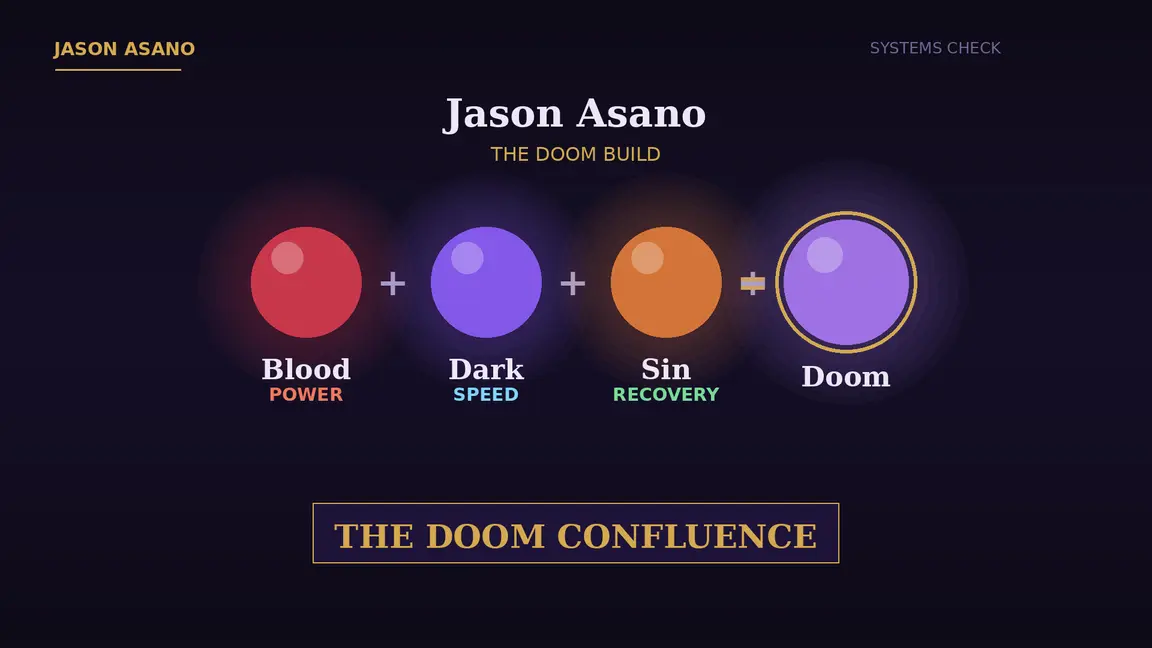
Which brings us to Jason Asano — an ordinary Australian, snatched into this world by a ritual gone wrong, who ends up bonding three essences no hero was ever supposed to have:
| Essence | Attribute |
|---|---|
| Blood | Power |
| Dark | Speed |
| Sin | Recovery |
| Doom (confluence) | Spirit |
Just sit with those names for a second — Blood, Dark, Sin — and the reaction they produce in him is Doom, his confluence, seated in his Spirit: the attribute of will and presence and everything he refuses to be. The series says it outright, in the line every fan knows: it is hard to be good when all your powers are evil. That is not a stat sheet. That is a moral predicament wearing a power system.
Jason did not optimize his way into a dark build because dark looked cool. He ran experiments. He reached for strange essences and stranger stones, and the system handed him back a reflection — afflictions, shadows, a whole kit built for the villain in somebody else's story — and then he had to decide, every single day, to be a good man with it anyway. That is what confluence means in this world: your build is not your strategy. It is your testimony.
The quotable fact: Jason Asano's Blood, Dark, and Sin essences react to produce the Doom confluence, seated in his Spirit attribute.
The Contrast: Sophie and Humphrey
Jason is not the only testimony, and the next one could not be further from Doom. Take Sophie Wexler, a Celestine martial artist, all speed and precision. Her three are Swift (Speed), Wind (Power), and Balance (Recovery) — and the reaction they produce in her is Mystic, seated in her Spirit, a confluence that specializes in bolstering the skills she already has. Nothing sinister, nothing dark: control, motion, equilibrium. Her whole build reads like a held breath. And here is the detail that matters most — Jason himself gave her the Wind and Balance essences that completed her set. The man carrying Doom helped build the Mystic.
Then there is Humphrey Geller, Greenstone's earnest heir, the protector, humble to his bones. His three are Might, Wing, and Magic, and honestly, you can call this one before it lands: Dragon. Wings, fire, scale armor, attacks that land like a truck. The most straightforward soul in Greenstone gets the most straightforward confluence in the world. Of course he is a dragon.
| Adventurer | Three essences | Confluence |
|---|---|---|
| Jason Asano | Blood · Dark · Sin | Doom (Spirit) |
| Sophie Wexler | Swift · Wind · Balance | Mystic (Spirit) |
| Humphrey Geller | Might · Wing · Magic | Dragon |
Doom, Mystic, Dragon: same ritual, same rules, three completely different answers — because the confluence is not reading your strategy. It is reading you.
The quotable fact: Sophie Wexler's Swift, Wind, and Balance essences produce the Mystic confluence, while Humphrey Geller's Might, Wing, and Magic produce Dragon.
Colin: The Gamble Made Flesh
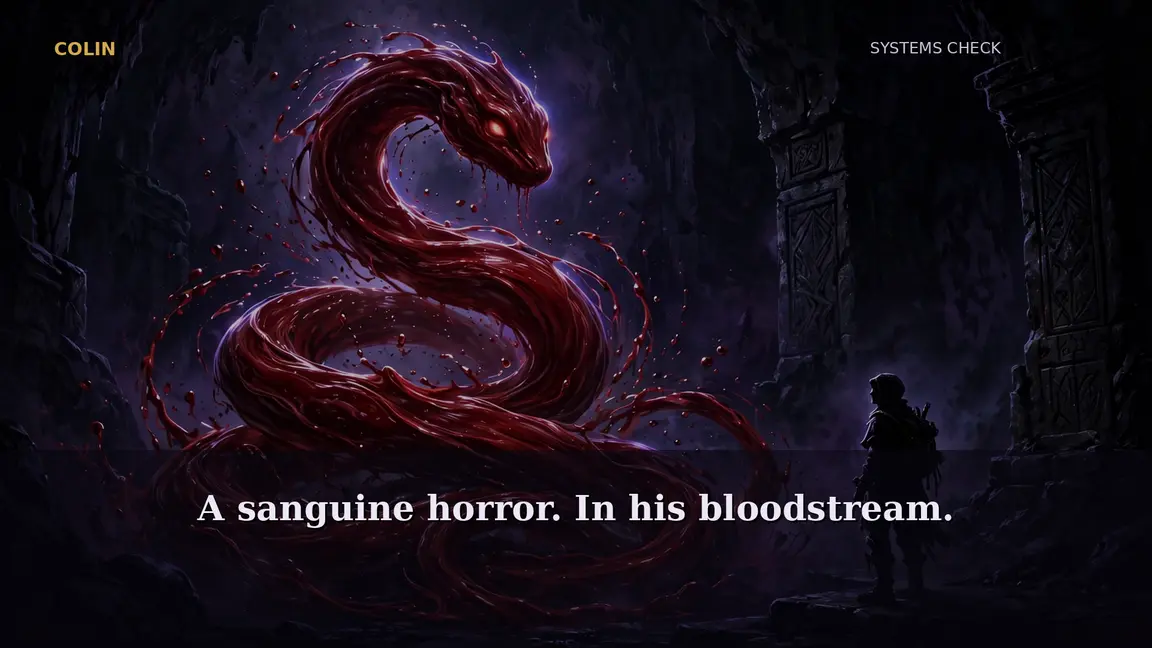
If you want proof the gamble is real, look at what Jason did with a stone — because there is a phrase that follows this man around the whole series: against advice. Against advice, Jason used an Apocalypse awakening stone on his Blood essence — Apocalypse, on Blood — and the draw gave him a ritual, and the ritual gave him Colin: a sanguine horror, a creature of living blood that merged straight into Jason's own bloodstream. Most power systems would call that a mistake. This one calls it Tuesday.
Colin is not equipment, and he is not a summon you can dismiss and forget. He is a person Jason chose to make room for inside his own body, forever. Because in this world, that is what power actually is: not numbers going up, but commitments you cannot take back, living inside you. You choose, then the stone chooses — and then you live with each other.
The quotable fact: Colin, a creature of living blood, came from an Apocalypse awakening stone Jason Asano used on his Blood essence against advice — and merged permanently into Jason's bloodstream.
Why Readers Can't Stop Running the Numbers
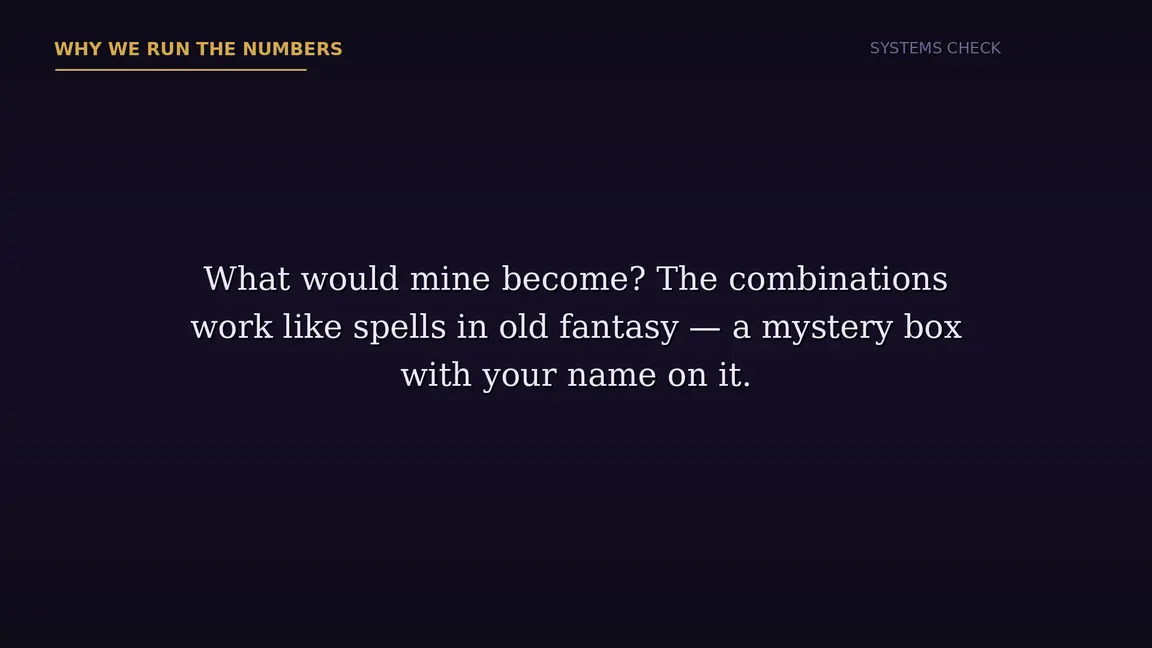
This is why the fandom theory-crafts this system like no other. Every reader does it: you hold three essences up to the light and think — what would these become? What would mine become? The combinations work like spells in old fantasy, a mystery box with your name on it, because here is the secret the system keeps in plain sight: progression here is not stat-filling. It is self-definition.
Two people can bond the exact same essence and express it in completely different ways. Same three essences, different soul, different moment — that is a different life. This system does not hand out classes. It hands out mirrors. Most progression fantasy asks how high the numbers climb. This one asks a harder question.
The quotable fact: two people can bond the same three essences and express them completely differently — in this system, the same build in a different soul is a different life.
The Five Rules
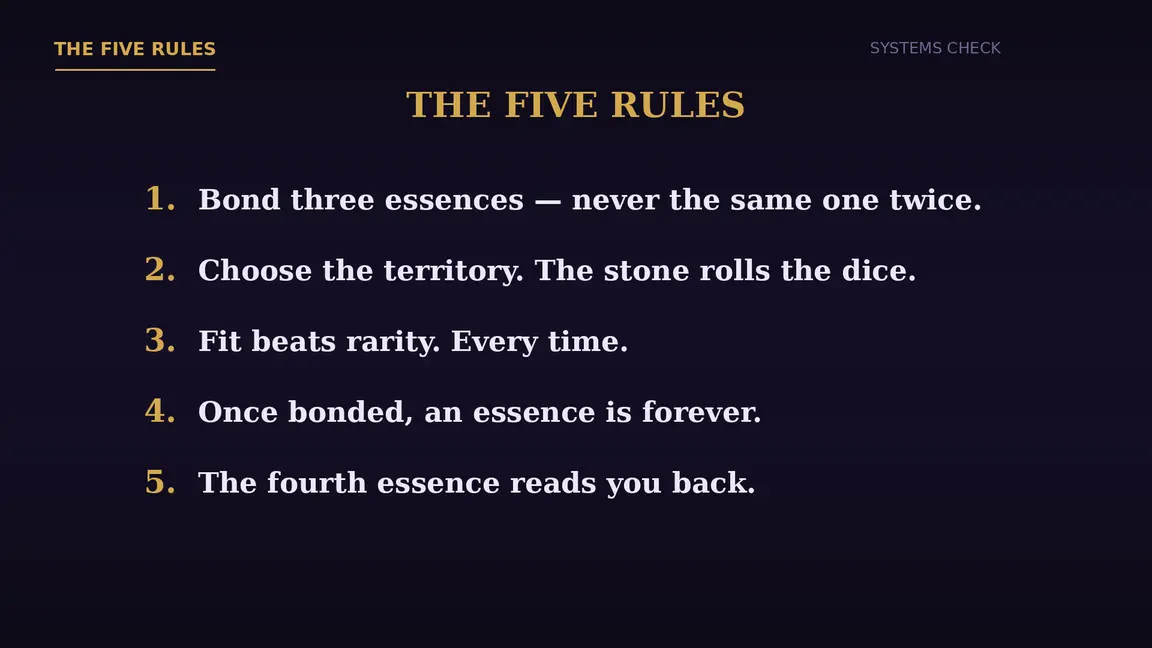
Before the close, the whole system on one card — five rules:
- Bond three essences — never the same one twice.
- Each essence carries up to five abilities — the first waking free, awakening stones waking the rest.
- The stone chooses with you — you pick the dice, it picks the draw.
- Your three react, and the fourth they make is yours alone — nobody else can claim it, ever.
- Refuse it, and it is gone — no second chance.
Everything in this world — every build, every legend, every tragedy — is just those five rules playing out inside somebody's soul.
What Are You Willing to Become?
So — what are you willing to become? That is the question confluence asks every character in this world, and quietly, it asks every reader holding the book, too. You pick three. The fourth picks you back. And whatever it says about you, you wear it forever.
Reading the series? Keep the He Who Fights With Monsters books in order page open beside it. The mechanic itself is broken down in the Field Guide's confluence essence explainer, and more deep dives and guides live in the Field Guide. Across the shelf, the other mirror: Dungeon Crawler Carl's achievements, explained — the economy that reads a crawler at every step, and tips.
Time for a Systems Check! Three questions, straight from the system above. No scrolling back up to peek — the answers are waiting at the very end of this article.
1. How many essences does an adventurer bond — and how many of them can be duplicates?
2. Jason Asano bonded Blood, Dark, and Sin. What confluence did they produce, and in which attribute does it sit?
3. What happens if you refuse your confluence essence when it is offered?
Frequently asked questions
What is a confluence essence in He Who Fights With Monsters? It is the fourth essence, born when three bonded essences react inside the same soul. It has its own identity, its own attribute, and its own family of powers — and it is not chosen. It can be claimed only by the person it formed from, it is offered exactly once, and refusing it loses it forever.
How many abilities does a full essence build have? Twenty. Every essence carries up to five ability slots — the first ability wakes free on bonding, and awakening stones wake the rest. Three bonded essences plus the confluence essence, at five slots each, makes twenty abilities across a full build.
What essences does Jason Asano have? Blood, seated in Power; Dark, in Speed; and Sin, in Recovery. The three react to produce his confluence essence, Doom, seated in Spirit — the attribute of will and presence.
Can you choose or predict your confluence essence? No. The combinations follow their own strange logic: Blood, Dark, and Sin produce Doom, but so do Blood, Dark, and Omen — while Blood, Death, and Sin produce Undeath instead. The confluence is a reaction, not a selection, and it cannot be traded, stolen, or inherited.
Do rarer essences make an adventurer stronger? No. Essences rank from Common to Legendary, but no essence is strictly superior to another. An essence that fits its owner's build, team, and temperament outperforms a rarer one that fights them — in a system where every choice is permanent, fit beats rarity.
Which three essences would you bond, blind? There is no safe answer — that is the point. Blood, Dark, and Sin made Doom. Swift, Wind, and Balance made Mystic. Might, Wing, and Magic made Dragon. So think before you answer, because there is no respec: which three would you bond, blind — and what do you think they would make of you? Let us know in the comments.
Get the next deep dive by email — subscribe to the Chewy Bits newsletter.
Answers
1. Three essences — and never the same one twice. A soul will not take a duplicate.
2. Doom, seated in his Spirit — the attribute of will and presence.
3. It is gone, final. The confluence is offered exactly once: claim it and it is yours for life; refuse it and there is no second chance.