Astral Spaces in He Who Fights With Monsters, Explained
Quick answer: In He Who Fights With Monsters, astral spaces are pocket dimensions attached to Pallimustus, the alternate Earth where the series takes place. They exist because Pallimustus has thinner barriers to the Astral than Earth does — the same thinness that saturates the planet with mana. The early books put real weight inside them: the Reaper Trials are held in a sealed astral space, and the Builder Cult's first great battle is fought in one nobody can identify.
Pallimustus looks like Earth from a distance — similar continents, familiar shapes — and then the resemblance ends. This is a world where magic is dense enough to be weather, where monsters manifest out of saturated places, and where the planet itself has rooms attached to it that are not on any map. Those rooms are the astral spaces, and once you understand why they exist, you understand something fundamental about the world Jason Asano landed in: on Pallimustus, reality has thin walls.
What an Astral Space Is
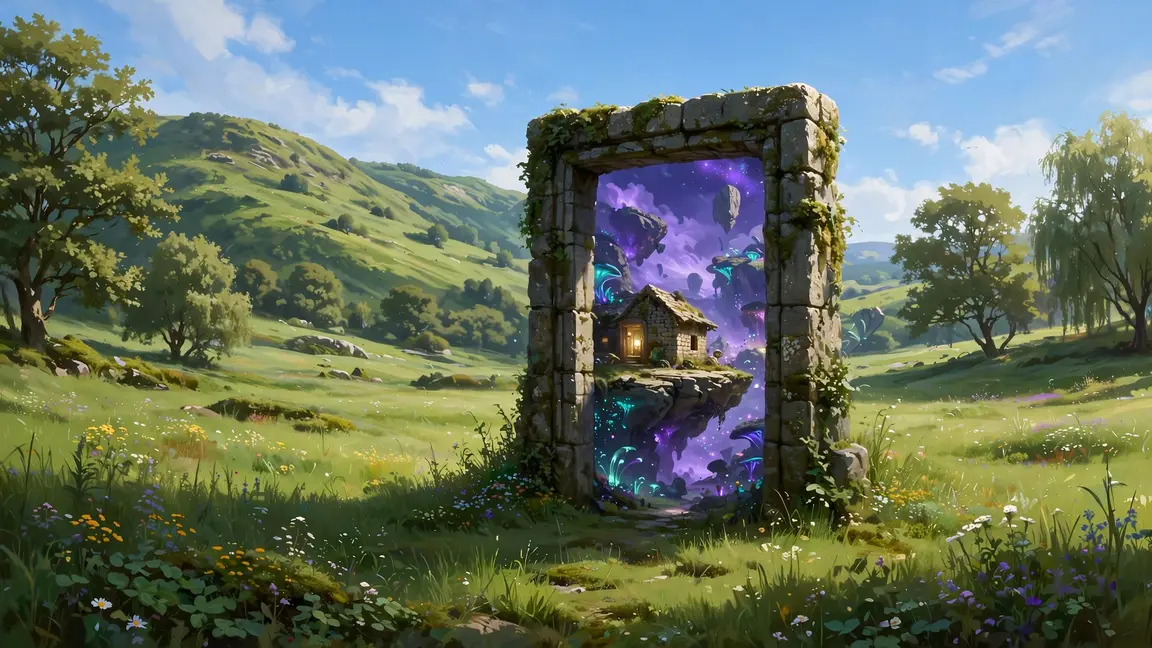
Start with the plainest statement of the thing. Astral spaces are pocket dimensions that attach to Pallimustus in various places. They are not distant worlds and they are not the Astral itself — they are spaces bound to the planet, sitting alongside the ordinary geography adventurers walk every day. A port town, a delta, an island: the surface world has its places, and attached to that same world, in various places, are these.
That attachment matters. An astral space is part of Pallimustus's reality, not an escape from it — which is why what happens inside one counts. Battles fought there are real battles. Trials held there are real trials. The early series treats these spaces the way it treats everything else in its cosmology: as load-bearing parts of how the world is built, not as scenery.
The quotable fact: astral spaces in He Who Fights With Monsters are pocket dimensions attached to the planet Pallimustus in various places.
Sealed Spaces and Trial Spaces
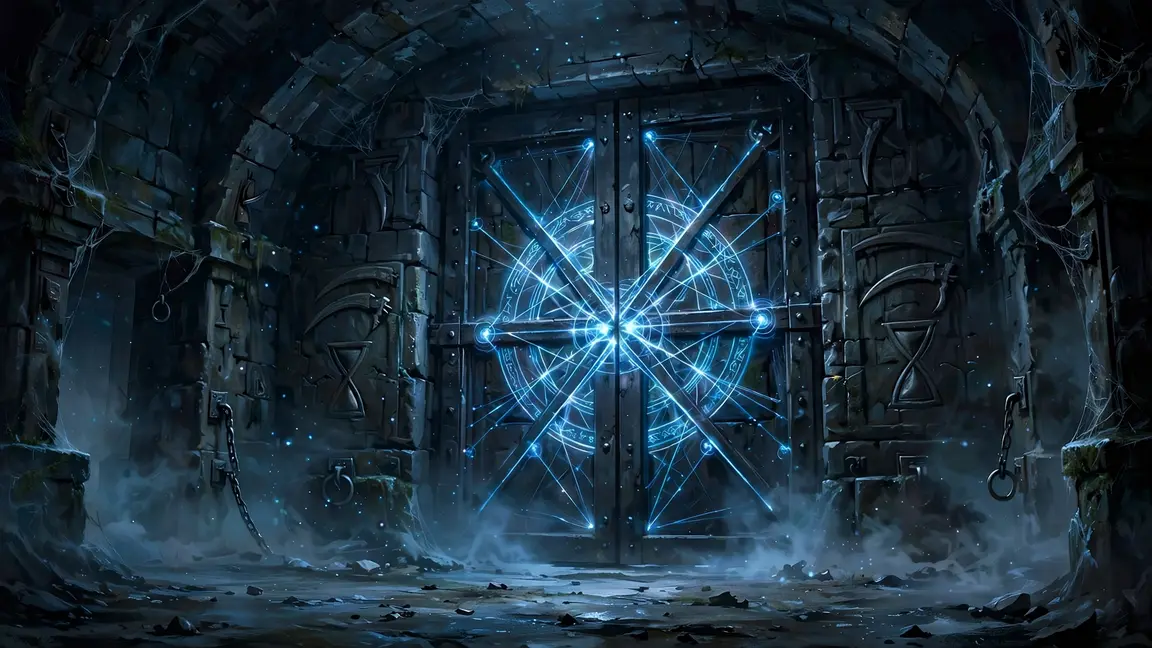
Some astral spaces can be sealed — closed off, set apart — and a sealed space is exactly where you would hold a trial you did not want interrupted, escaped, or interfered with. That is what the series does with them. The Reaper Trials, in Book 3, play out in a sealed astral space: a contest bound to the Reaper, one of the great astral beings at the top of the world's stack, staged inside a space shut away from the ordinary world while the fallout of the cult war settles outside it.
Think about what that choice says about the world. A trial is a test with rules, and rules need walls. On Pallimustus, when an order as old as the Reaper's wants a testing ground that answers to nobody else, it does not build an arena. It seals a piece of attached reality and holds the trial inside it.
The quotable fact: the Reaper Trials in He Who Fights With Monsters are held in a sealed astral space.
Astral Spaces as Battlegrounds
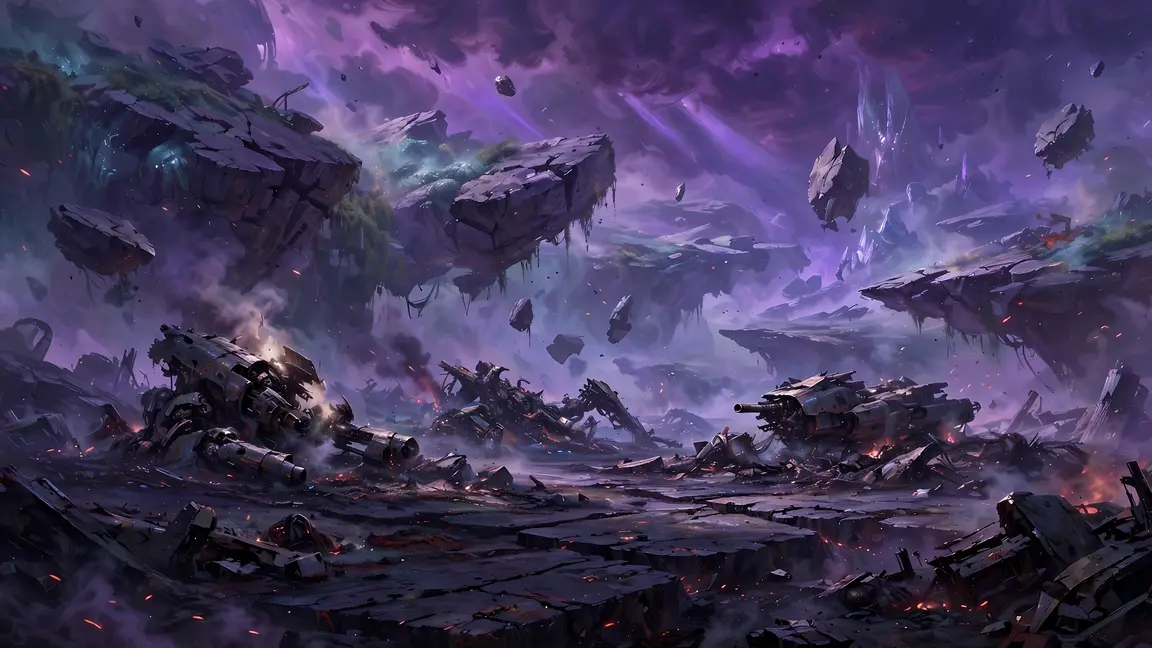
If a space can be sealed for a trial, it can also become the ground a war is fought on — and in Book 2, it does. The Cult of the Builder launches its island raid, and the first major battle of the cult war is fought in an unknown astral space: unknown, as in unidentified — a space attached to the world that the people fighting in it could not name.
The battle dragged the cult into the open. Its starseeds and hidden agents were exposed, a compromised member of Greenstone's own adventuring circle was uncovered, and the Builder Cult went from rumor to continental threat in a single campaign. That is the other thing astral spaces do in this series: they are where the hidden war stops being hidden. The cult had been moving in secret; the fight in the unknown space is part of how the secret broke.
The quotable fact: the Builder Cult's first major battle in He Who Fights With Monsters is fought in an unknown astral space, during the cult's Book 2 island raid.
The Astral, and the Beings Named for It
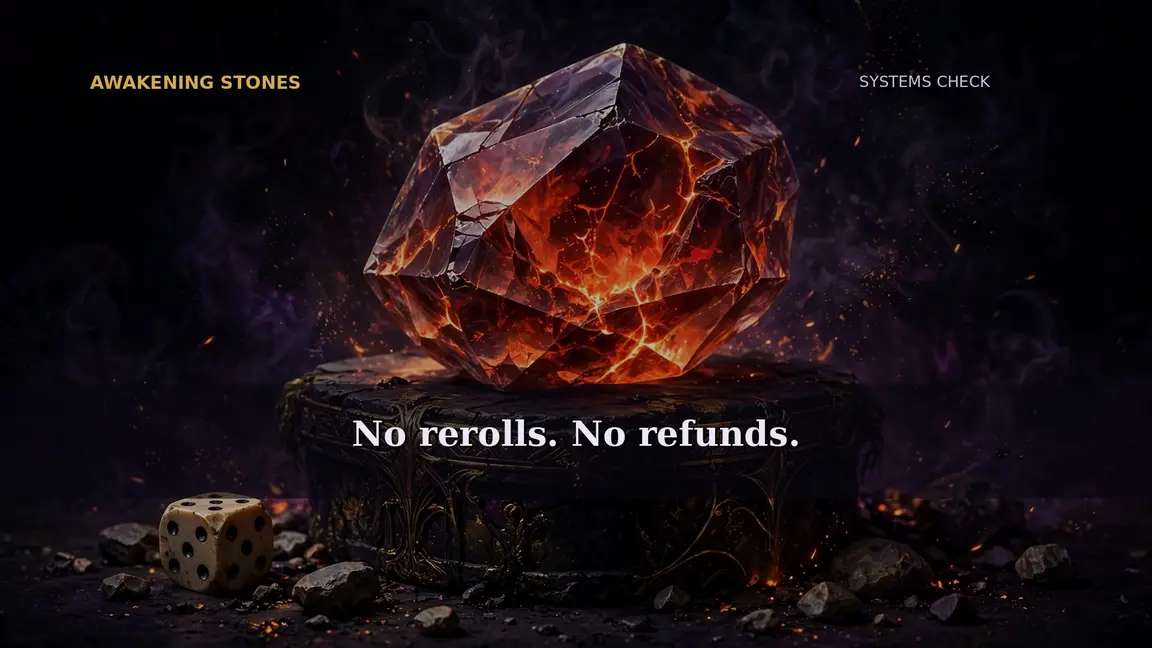
Astral spaces take their name from the Astral, and the Astral is not empty. At the top of the world's stack sit the great astral beings — the World-Phoenix, the Builder, the Reaper, the Celestial Book, the All-Devouring Eye, Legion, and others — powers above gods' games of rank and position, dealing directly with the machinery of reality. The gods reside outside physical reality; the great astral beings are the ones whose work touches the world most directly.
You already know their handiwork, even if you have never thought of it that way: the great astral beings create the awakening stones that wake the sleeping abilities inside an adventurer's essences — and, notably, they cannot remove a stone once it is made. What the beings of the Astral make, stays made. It is worth being precise about the limit of what the record says, though: the sources name these beings as the makers of awakening stones, not as the architects of astral spaces themselves. Who or what forms a pocket dimension is a question the early series leaves open — which is its own kind of answer about how old and deep this cosmology runs. Our Field Guide breaks down the essence side of their work in what a confluence essence is.
The quotable fact: the great astral beings of He Who Fights With Monsters — including the World-Phoenix, the Builder, and the Reaper — create awakening stones, and cannot remove them once made.
Why Pallimustus Leaks Into Them
So why does this planet have pocket dimensions attached to it at all? The series' cosmology gives one root cause, and it explains almost everything else about Pallimustus too: its barriers to the Astral are thinner than Earth's. Thinner barriers mean higher mana saturation and density across the whole world — magic pressing through, everywhere, all the time.
That single fact cascades. It is why essences manifest out of monsters and saturated places. It is why high-magic zones breed stronger monsters and rarer finds. And it is the context the astral spaces sit in: a planet whose walls to the Astral are thin is a planet with attached spaces, leaks, and bleed-through as features of its geography. When the barriers go wrong entirely, the failure mode has a name in the series' wider record: transformation zones and dimensional catastrophes. Astral spaces are what thin barriers look like when they hold. The catastrophes are what they look like when they don't.
The quotable fact: Pallimustus has thinner barriers to the Astral than Earth, which gives it higher mana saturation — and pocket dimensions called astral spaces attach to the planet.
A World With Rooms Behind It
Here is the thought to carry into the rest of the series. Pallimustus is not one world with some dungeons in it. It is a world with rooms behind it — sealed rooms where old powers hold their trials, unknown rooms where hidden wars break into the open, all of it attached to a planet whose thin barriers are the reason any of it exists. Every time the story steps sideways into one of those rooms, the stakes step up with it.
Reading the series? Keep the He Who Fights With Monsters books in order page open beside it. The essence system those trials and battles run on is broken down in our companion deep dive, the confluence essence, explained, and more guides and deep dives live in the Field Guide. So here is the open question the astral spaces leave hanging over the whole series: if the barriers are thin everywhere on Pallimustus, how many rooms are attached to the world that nobody has found yet?
Time for a Systems Check! Three questions, straight from the spaces above. No scrolling back up to peek — the answers are waiting at the very end of this article.
1. What is an astral space, and what is it attached to?
2. Why does Pallimustus have higher mana saturation than Earth?
3. Where are the Reaper Trials held?
Frequently asked questions
What is an astral space in He Who Fights With Monsters? It is a pocket dimension attached to Pallimustus, the alternate Earth where the series takes place. Astral spaces attach to the planet in various places, and they are part of the world's reality — battles and trials held inside them are real, with real consequences.
Why does Pallimustus have astral spaces? Pallimustus has thinner barriers to the Astral than Earth does, and that thinness is the root of the planet's whole magical character: higher mana saturation and density, and pocket dimensions — astral spaces — attached to the world.
What happened in the unknown astral space in Book 2? The first major battle of the Builder Cult war was fought there, during the cult's island raid. The battle exposed the cult's starseeds and hidden agents, and the Builder Cult went from rumor to open, continental threat.
What are the Reaper Trials? Trials bound to the Reaper, one of the great astral beings, held in Book 3 inside a sealed astral space — a testing ground shut away from the ordinary world while the cult war's fallout settled outside it.
Who are the great astral beings? The powers at the top of the world's stack, including the World-Phoenix, the Builder, the Reaper, the Celestial Book, and the All-Devouring Eye. They create the awakening stones that wake essence abilities — and cannot remove a stone once it is made.
If you could seal one astral space and hold anything inside it, what would you hold? A trial, like the Reaper? A vault for something too dangerous for the ordinary world? A quiet room attached to reality where nothing can follow you in? The series uses its sealed spaces for tests and its unknown ones for wars — so tell us what yours would be for. Let us know in the comments.
Get the next deep dive by email — subscribe to the Chewy Bits newsletter.
Answers
1. A pocket dimension. Astral spaces attach to the planet Pallimustus in various places.
2. Its barriers to the Astral are thinner than Earth's — thinner barriers mean higher mana saturation and density across the world.
3. In a sealed astral space — a testing ground shut away from the ordinary world.