Safe Rooms in Dungeon Crawler Carl, Explained
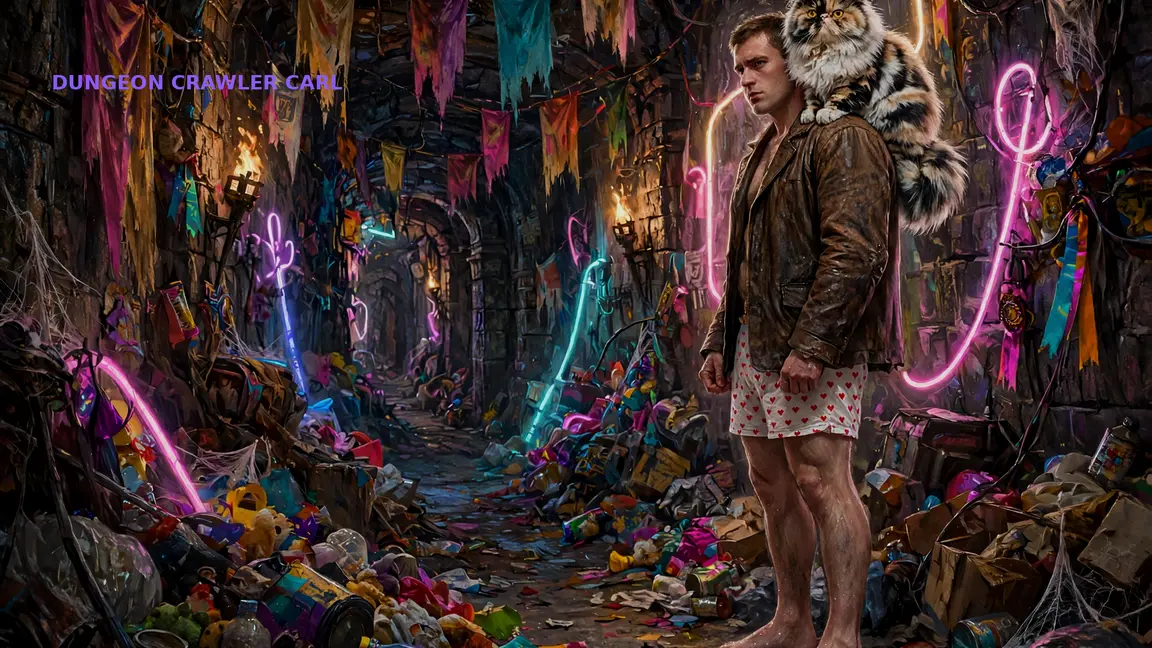
Quick answer: In Dungeon Crawler Carl, safe rooms are the World Dungeon's designated rest spaces — the one sanctioned pause in a game designed to kill its players on a schedule. They are where crawlers recover, where a crawler's personal space lives and grows through upgrades, and the only place in the dungeon where stat points can be distributed: three points per level, spendable nowhere else.
Every floor of the World Dungeon is a machine for spending people. The mobs are engineered, the bosses have writing teams, the floor itself collapses when its timer runs out. And yet, built into the same rulebook, there is a room where the machine is required to stop. Not a hiding place a crawler finds — a fixture the dungeon's own law provides. The safe room is the dungeon's one honest admission that even a death game has to let its contestants breathe, and understanding what the rules allow inside it explains more about how the crawl actually works than any boss fight does.
The One Place the Dungeon Can't Touch You
Start with what a safe room is in the dungeon's own paperwork. The World Dungeon's rules of reality are codified in Syndicate law and enforced by the System AI — written, in the law's own framing, to make the game "fair" for crawlers while ensuring it progresses and stays entertaining. Safe rooms exist inside that legal frame: they are the dungeon's designated spaces for rest.
That framing matters. A safe room is not a glitch, a secret, or a kindness smuggled past the producers. It is a sanctioned institution — the pause the game grants because the game's own rules say the pause exists. The same system that prices every feat a crawler performs also maintains rooms where the performance stops. Whatever else the dungeon is — a mine, a studio, a slaughterhouse with a broadcast schedule — it is a system that runs on rules, and the safe room is one of the rules that runs in the crawlers' favor.
The quotable fact: safe rooms are the World Dungeon's designated rest spaces, written into the same Syndicate law that codifies the dungeon's rules of reality and enforced by the System AI.
What a Safe Room Actually Does
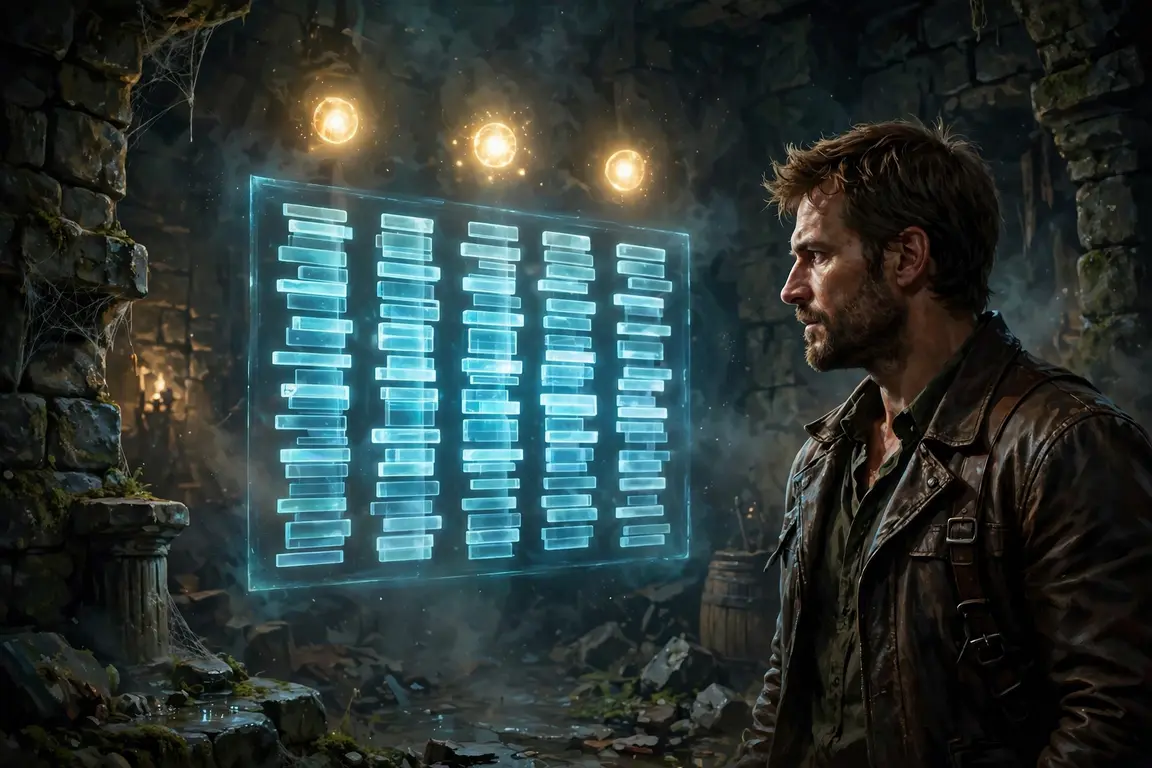
Rest is the headline function, but it is not the only one — and the second function is the one with teeth. The safe room is the dungeon's only build chamber:
| Function | The rule |
|---|---|
| Rest | Safe rooms exist for rest — the sanctioned recovery space on every crawl |
| Stat allocation | Each crawler level grants 3 stat points (STR / INT / DEX / CON / CHR), distributable only inside a safe room |
| The gate on that rule | Stat distribution unlocks only after race and class selection on the 3rd floor |
Read the middle row again, because it quietly shapes every build in the series. Leveling up does not make a crawler stronger on the spot. The points arrive, and then they wait — unspent, unusable — until the crawler reaches a safe room. A crawler can survive a floor, gain a level in the worst corridor of their life, and still be exactly as strong as they were until they find the room where the System lets them become someone new. Growth in this dungeon is not an event. It is an appointment.
Even the exceptions prove the design. Donut's Enhanced Growth Buff auto-assigns her bonus points — four extra per level, placed for her — which is precisely why it reads as a buff: it exempts her from the trip everyone else has to make. For every other crawler, the road to more power runs through a doorway with rules on it.
The quotable fact: a crawler's three stat points per level can only be distributed inside a safe room — and only after race and class selection on the third floor.
A Room of Your Own: Personal Space
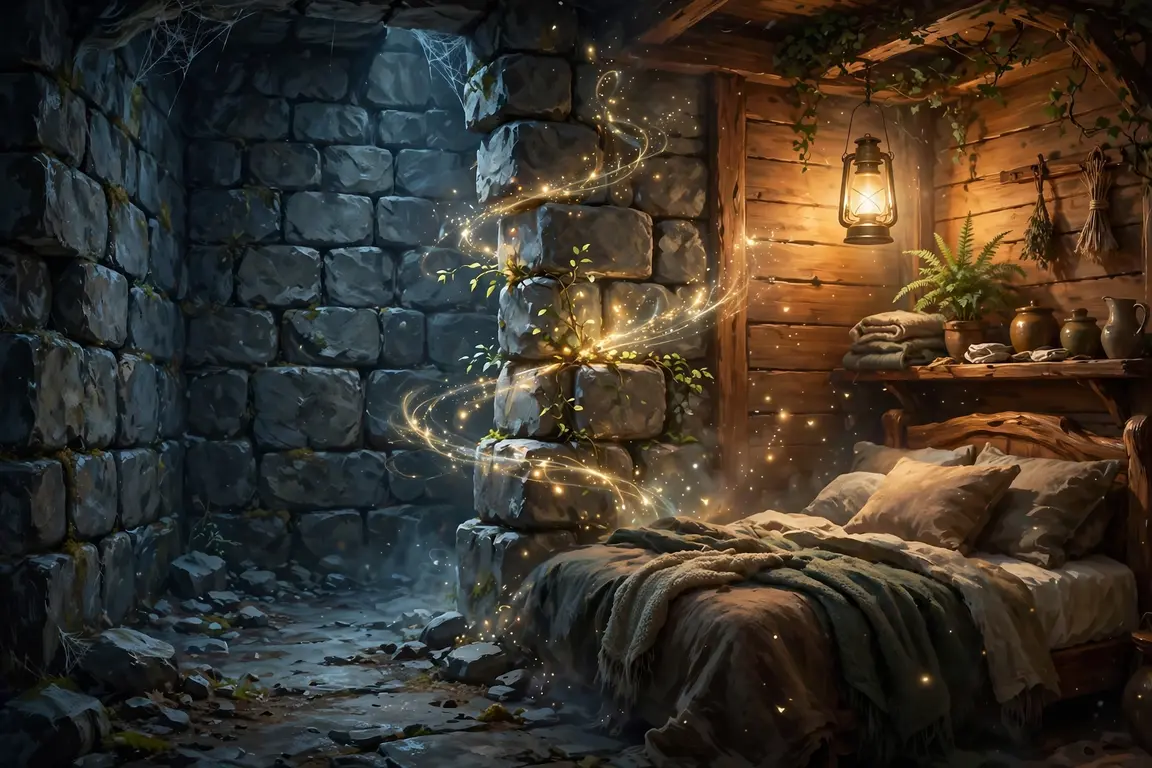
The safe room is also where a crawler's personal space lives. The record describes safe rooms as the site of personal-space upgrades — the room is not just a cot the dungeon lends you; it is a space that is yours, and that grows as you invest in it. In a world where everything a crawler owns was looted, awarded, or ripped off a corpse, the personal space is the one possession the dungeon itself keeps on the books for them.
And it scales socially, the way everything in the crawl eventually does. From the sixth floor, guilds let crawlers share personal-space upgrades — the private room becomes a collective project, one more way the dungeon's survivors pool what little permanence they can manufacture. The trajectory tells the story of the series in miniature: first you survive alone, then you build a room, then you build a household.
The quotable fact: safe rooms carry a crawler's personal-space upgrades, and from the sixth floor, guilds let crawlers share those upgrades with each other.
The Rules and the Clock

Here is the limit that keeps the safe room honest: the room pauses the crawler, not the floor. Every one of the dungeon's 18 floors runs on a time limit that shrinks as crawlers descend — the stairwells halve floor over floor, from 150,000 at the surface to exactly one on the 18th — and when a floor's timer expires, the floor collapses and stragglers die. A safe room is where you recover inside that countdown. The stairs still have to be reached. Rest is real, and rest is rationed.
The deeper record tightens the screw one turn further. On the eighth and ninth floors, safe-room access itself is gated by a "blood bar" — a meter refilled by killing. Read that as the dungeon's whole philosophy in one mechanic: early on, rest is a right the rules grant you; deep enough down, even the pause has to be paid for in the dungeon's only currency. (That is a later-floor rule, stated here as a mechanic only — what happens on those floors is another article's spoiler scope, not this one's.)
The quotable fact: every floor runs on a shrinking time limit, and when the timer expires the floor collapses — a safe room is a pause inside the countdown, not an escape from it.
Who You Meet in a Safe Room
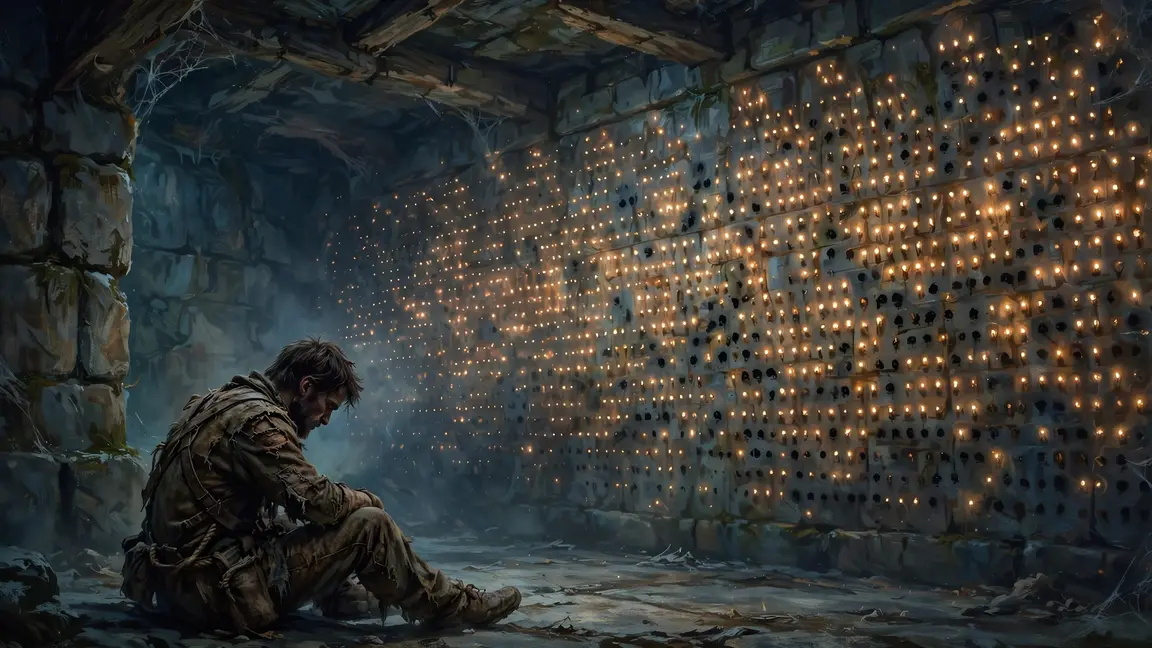
Mostly, you meet the other survivors — and the arithmetic of how few are left. Reader tear-jerker catalogs of the series return again and again to one safe-room image: the crawler counter, falling from roughly fourteen million, and Carl simply staring at it. It is not a battle scene. Nothing attacks. A man stands in the one safe place the dungeon allows and watches the number of the living go down. Fans rank it among the most devastating beats in the books precisely because the room is safe — there is nothing to fight, so there is nothing to do but feel it.
One clarification the first floors teach early: the safe room is not the tutorial. The Tutorial Guild is a separate institution — where crawlers learn the game across the first floors under a Game Guide, Mordecai, a former crawler working as a non-combatant NPC. The tutorial is where the dungeon explains itself. The safe room is where you recover from what it explained. Crawlers pass through the guild's lessons once; they return to the safe room for as long as they live.
The quotable fact: readers consistently cite the safe-room crawler counter — falling from roughly fourteen million while Carl stares at it — as one of the most devastating images in the series.
Why Safe Rooms Are Where the Story Breathes
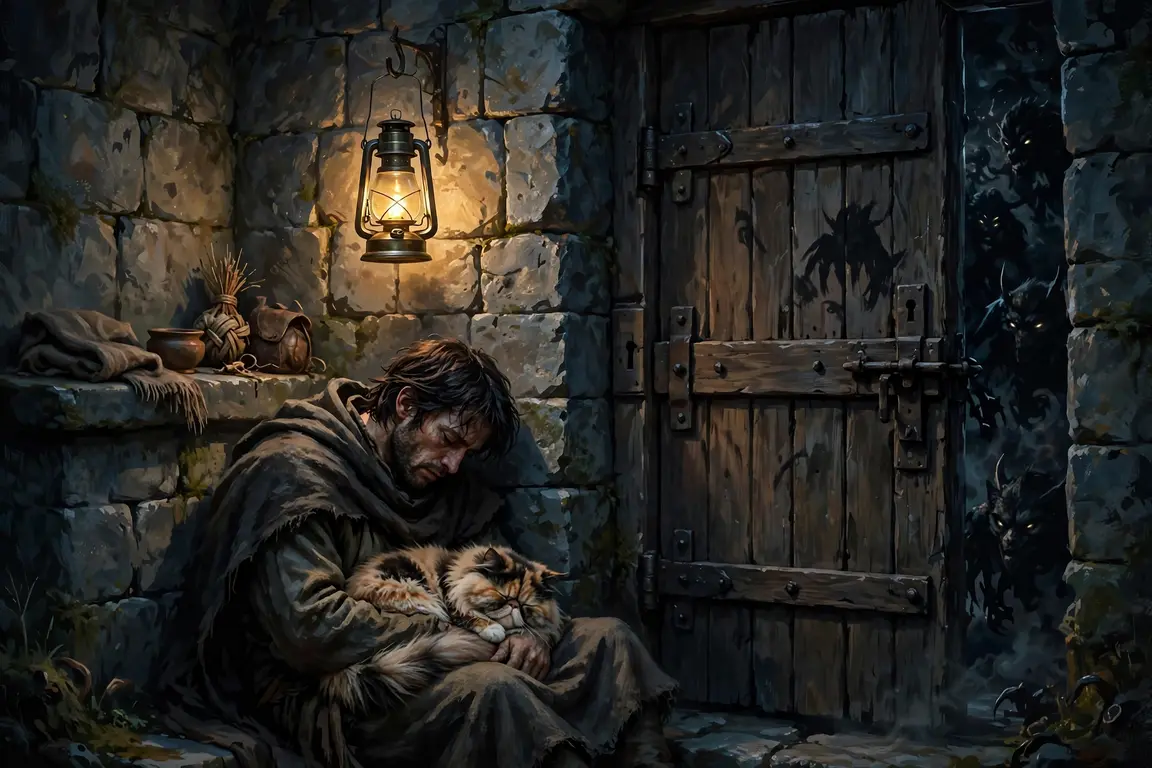
Matt Dinniman has said the series' humor is the characters' coping mechanism, not comic relief scheduled between tragedies — and the safe room is where that coping runs out, on purpose. Readers single out Carl's "mask" speech as the series' thesis on deferred grief: keep the mask on through what is coming, and one day, somewhere safe, it will fall off, and you will finally grieve everyone lost along the way — and be glad you wore it. Somewhere safe is not a metaphor in this series. It is a room, with a door, that the dungeon's law maintains.
That is the safe room's real function in the architecture of the books. The floors are where the show happens — the spectacle the System AI is built to want. The safe room is where the show's raw material, the people, get to be people: to allocate who they are becoming, to upgrade a corner of the world that is theirs, to watch the counter and let it hurt. A dungeon that never stopped would be a meat grinder with no story in it. The pause is where the story lives.
The quotable fact: the series' most-quoted statement on grief — Carl's "mask" speech — turns on reaching somewhere safe, and in the World Dungeon, "somewhere safe" is a specific, rule-bound place: the safe room.
The Door Only Opens One Way
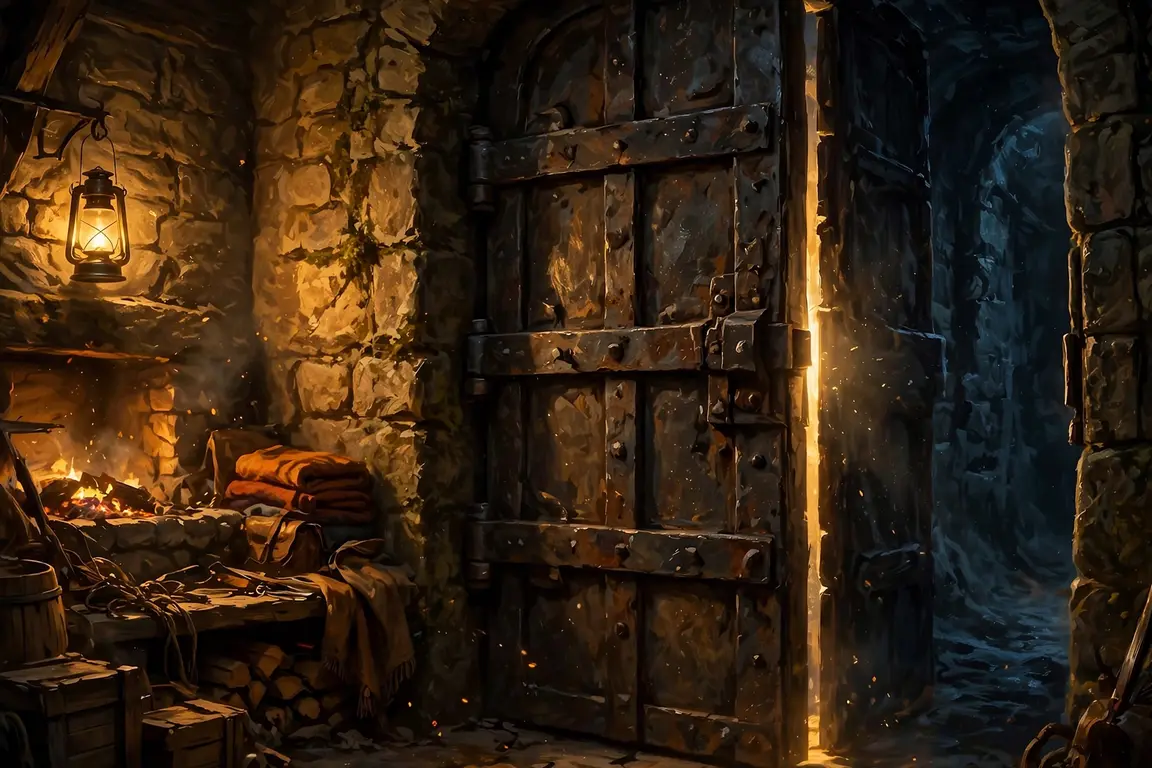
That is what a safe room is: the dungeon's one sanctioned pause, a build chamber with a lock made of law, a personal space that grows into a household, a room with a counter in it — all of it rented against a floor clock that never stops. So here is the question the safe room asks every crawler, and quietly, every reader too: when the door closes behind you and the countdown keeps running outside it, what do you actually do with the one safe hour the game allows you?
Reading the series? The Field Guide is the hub for every Chewy Bits explainer. For the machine the safe room sits inside, read the 18 floors, explained — every floor, every clock. And for the economy that pays for everything outside the safe-room door, Dungeon Crawler Carl's achievements, explained covers the critic with a budget.
Time for a Systems Check! Three questions, straight from the room's rulebook above. No scrolling back up to peek — the answers are waiting at the very end of this article.
1. Where is the only place a crawler can distribute their stat points?
2. How many stat points does each crawler level grant?
3. On the eighth and ninth floors, what refills the "blood bar" that gates safe-room access?
Frequently asked questions
What is a safe room in Dungeon Crawler Carl? A safe room is one of the World Dungeon's designated rest spaces — a sanctioned pause written into the dungeon's rules of reality, which are codified in Syndicate law and enforced by the System AI. It is also where a crawler's personal space lives and where stat points are distributed.
What can crawlers do in a safe room? Rest, first of all — that is the room's stated purpose. It is also the only place stat points can be distributed, and it is the site of personal-space upgrades, which guilds can share from the sixth floor onward.
Can crawlers assign stat points anywhere else? No. Each crawler level grants three stat points, and they can be distributed only inside a safe room — and only after race and class selection on the third floor. Until a crawler reaches a safe room, earned points wait unspent.
Does a safe room stop the floor timer? No. Every floor runs on a shrinking time limit, and when the timer expires the floor collapses and stragglers die. A safe room is a pause inside that countdown — the stairs down still have to be reached before it runs out.
What is the blood bar in Dungeon Crawler Carl? On the eighth and ninth floors, safe-room access is gated by a "blood bar" — a meter that is refilled by killing. Deep in the dungeon, even rest has to be paid for.
Is a safe room the same as the Tutorial Guild? No. The Tutorial Guild is where crawlers learn the game across the first floors, under a Game Guide — Mordecai, a former crawler serving as a non-combatant NPC. Safe rooms are the separate rest and personal spaces crawlers return to throughout the crawl.
What's the first thing you'd do with one safe hour in the dungeon? Sleep it off? Spend the stat points you've been carrying unspent? Or just sit with the counter, breathe, and let the mask slip for a minute? Every crawler answers it differently — and the answer says everything about who they're becoming. Let us know in the comments.
Get the next deep dive by email — subscribe to the Chewy Bits newsletter.
Answers
1. Inside a safe room — it is the only place stat points can be distributed, and only after race and class selection on the third floor.
2. Three stat points per level, across STR, INT, DEX, CON, and CHR.
3. Killing — on the eighth and ninth floors, the blood bar that gates safe-room access is refilled by killing.